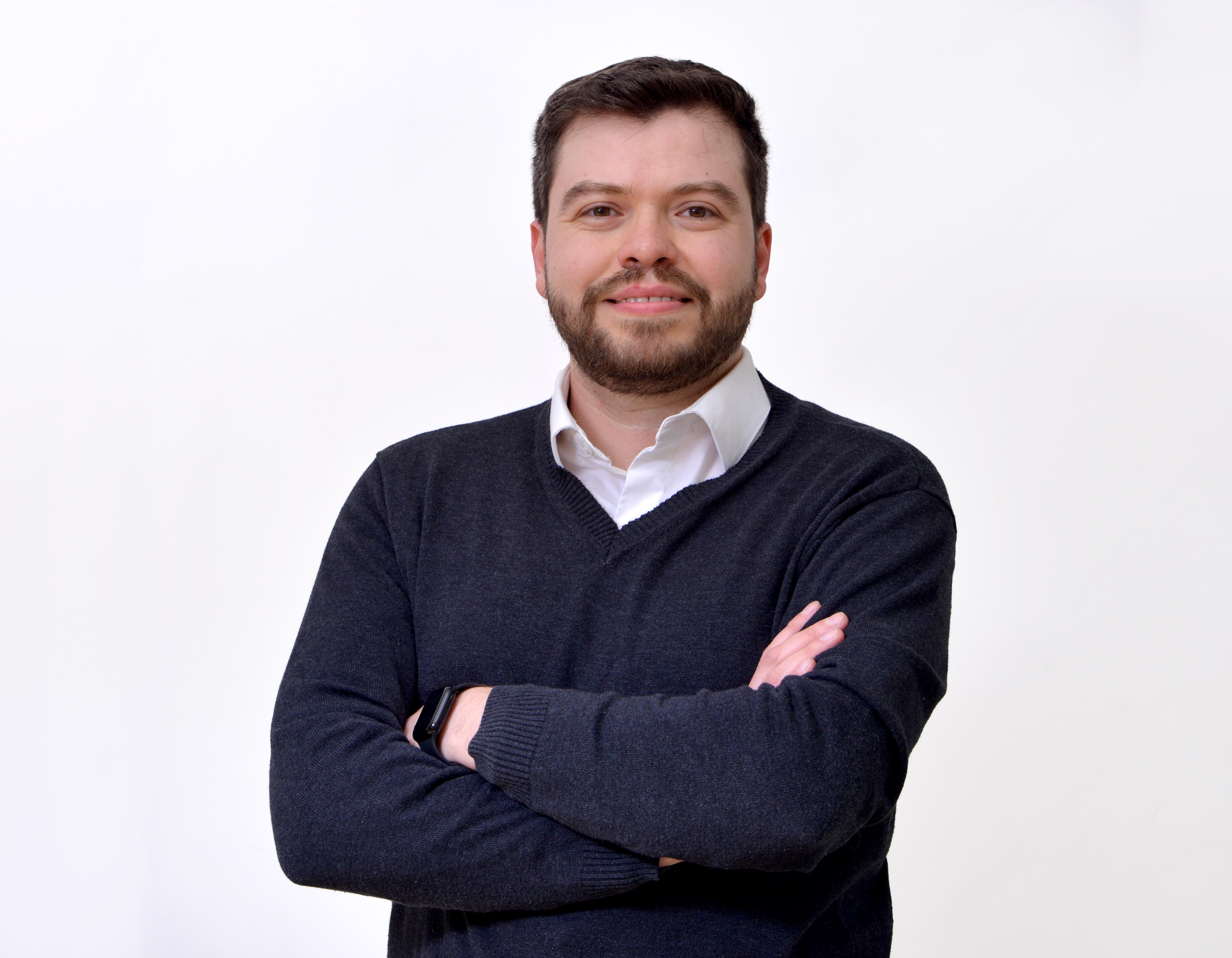
Estéfano Rubio es Profesor Asistente de Economía en la Escuela de Negocios de la Universidad Adolfo Ibáñez. Es Ph.D. y M.A. en Economía por la Universidad de Chicago—donde realizó sus estudios como becario Fulbright y con apoyo de la Agencia Nacional de Investigación y Desarrollo (ANID)—Magíster en Políticas Públicas por la Universidad de Chile (primer lugar de su cohorte), y Licenciado en Economía y Negocios por la misma institución (primer lugar de su cohorte). Antes de incorporarse a la UAI, fue Postdoctoral Associate en el Wallis Institute of Political Economy de la Universidad de Rochester, y antes de iniciar su doctorado se desempeñó como Investigador en el Centro de Estudios Públicos (CEP), realizando investigación en microeconomía aplicada y políticas públicas.
Su investigación está guiada por una pregunta fundamental: ¿hasta qué punto pueden las sociedades reducir la desigualdad y redistribuir poder sin debilitar los incentivos que sostienen la cooperación y la eficiencia? Sus contribuciones se enfocan principalmente en cómo los entornos institucionales moldean la distribución de recursos y las decisiones políticas. Su trabajo combina análisis empíricos con grandes bases administrativas del SII, la Dirección del Trabajo, el INE, SERVEL, DEMRE y MINEDUC, junto con marcos teóricos en negociación, economía del bienestar e instituciones políticas. Su agenda de investigación abarca instituciones laborales, los efectos políticos de largo plazo de los entornos universitarios y economía política normativa en sociedades moralmente diversas. Su investigación ha sido financiada mediante fondos competitivos del Becker Friedman Institute, The Pearson Institute for the Study and Resolution of Global Conflicts, UChicago Global y el Kenneth C. Griffin Department of Economics de la Universidad de Chicago.
Estéfano Rubio is an Assistant Professor of Economics at the School of Business of Universidad Adolfo Ibáñez. He holds a Ph.D. and M.A. in Economics from the University of Chicago—where he studied as a Fulbright Fellow and with support from the Chilean National Agency for Research and Development (ANID)—an M.A. in Public Policy from Universidad de Chile (ranked 1st in his cohort), and a B.Sc. in Economics and Business from the same institution (ranked 1st in his cohort). Before joining UAI, he was a Postdoctoral Associate at the Wallis Institute of Political Economy at the University of Rochester, and prior to his Ph.D. he worked as a Researcher at the Center for Public Studies (CEP), conducting applied microeconomic and public policy research.
His research is guided by a fundamental question: how far can societies go in reducing inequality and redistributing power without undermining the incentives that sustain cooperation and efficiency? His contributions focus mostly on how institutional environments shape the distribution of resources and political choices. His work combines empirical analysis using large administrative data from SII, the Directorate of Labor, INE, SERVEL, DEMRE, and MINEDUC with theoretical frameworks in bargaining, welfare economics, and political institutions. His research agenda covers labor market institutions, the long-run political effects of higher-education environments, and normative political economy in morally diverse societies. His research has been supported through competitive funds from the Becker Friedman Institute, The Pearson Institute for the Study and Resolution of Global Conflicts, UChicago Global, and the Kenneth C. Griffin Department of Economics at the University of Chicago.